Chemical-Resistant flexible ductwork sealant

Establishing leak-free ductwork to maximize home energy performance maximizes overall home energy performance and sustaining HVAC system effectiveness. Small openings in ductwork permit valuable conditioned air to vanish that inflates household energy spending and negatively impacting indoor air freshness. This complete guide outlines various strategies for duct sealing to guide smart decision-making that boost household comfort and reduce energy use.
- Investigate frequent sources of duct leakage and how they affect residences.
- Assess sealing materials like HVAC mastic, expanding foam sealants, and aluminum foil tapes.
- Understand the benefits offered by certified duct sealing professionals.
- Use straightforward DIY methods to address minor duct leaks.
In summary, duct sealing is a durable investment in efficiency that promote persistent energy conservation. Applying these methods creates enhanced comfort and energy savings at home and shrinking your household's carbon footprint.
Closed-cell polyurethane insulation
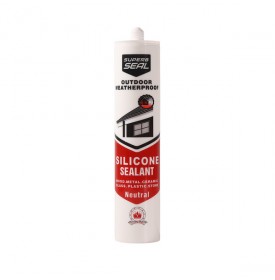
When addressing duct gaps, polyurethane foam offers superior fills due to its ability to expand into complex voids and joints. After application, the foam remains stable to block energy losses. The material's malleability facilitates work in complex duct layouts.
- Advantages include effective penetration and persistent sealing.
- Industry-leading airtightness
- Lower operating costs
- Enhanced household air purity
- Accessible installation method
Simply stated, PU foam is usually more capable for duct sealing.
Silicone-based HVAC mastic

Choosing durable, flexible materials matters for HVAC performance and silicone mastic combines stretchability with extended service life. It establishes an impermeable barrier to prevent drafts and dampness which enhances heating and cooling performance.
- Additionally silicone mastic withstands temperature swings well.
- It functions well across a wide thermal span.
- Also it offers straightforward application for both technicians and homeowners.
Black silicone sealant invisible airtight protection
Black silicone combines toughness with near-invisible finish against moisture, drafts, and temperature swings. For sealing joints around glazing, fixtures, and appliances it provides a discrete, long-term seal once set.
- You'll find it useful across a wide range of sealing needs.
Maximizing home energy efficiency via effective duct sealants

Sealants designed for ducts provide meaningful efficiency gains by creating an airtight barrier around ductwork to prevent air loss. Reducing leakage yields measurable reductions in utility costs and emissions.
Effective sealing reduces the movement of airborne particles into living spaces. Treating duct sealing as key to efficiency usually returns measurable results. Comply with application instructions to maximize sealant effectiveness.
Evaluating performance contrasts of polyurethane and silicone
Choosing an appropriate sealing product matters for long-term performance. Polyurethane compounds typically offer high-strength adhesion in ducts with strong adhesion across metals and composite duct surfaces. Conversely silicone excels at stretchability and resisting moisture so they handle dynamic seams and flexible connections well.
Determining the correct duct sealant for specific requirements
For long-term duct integrity opt for a reliable sealing solution able to create tight seals around splices and penetrations. Assess what the ducts are made of, where leaks are, and budget realities.
Notable groups include silicone sealants, butyl rubber, and acrylic latex products versatile products built to handle indoor/outdoor moisture and temperature variation. Expanding polyurethane foam suits sealing of larger breaches and cavities. Tape applications are convenient but generally inferior durability-wise.
Make sure to observe the producer's usage and handling recommendations.
Combining duct insulation with sealing for best results
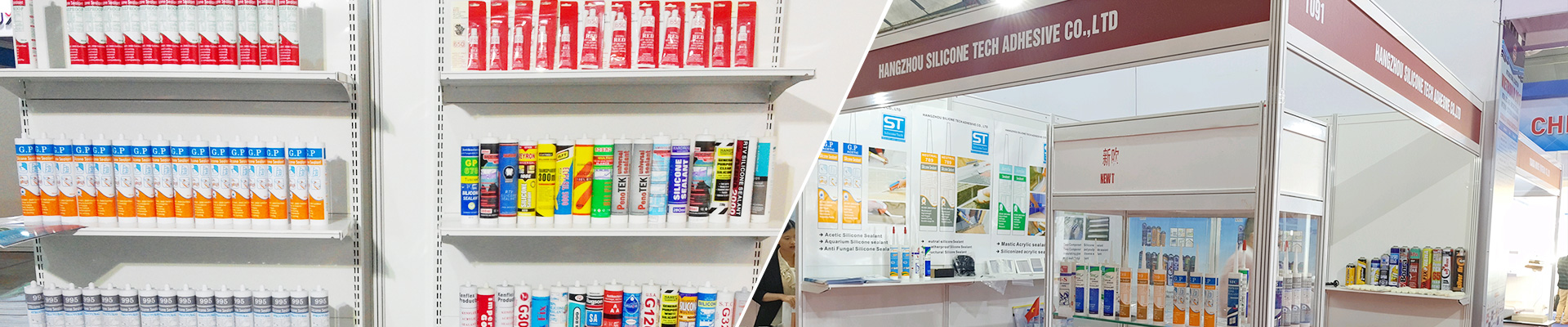
Combining proper insulation with sealing yields major efficiency advantages leading to lower monthly energy expenditures. Together they curtail drafts while preventing allergen infiltration into living spaces.
- Consider professional diagnostic services to detect duct issues.
- Opt for insulation materials appropriate to your region and ducts.
- Verify secure sealing at each connection and register plate.
By investing in both sealing and insulating ductwork you can enjoy a more efficient, comfortable home while lowering operating costs and environmental impact.
DIY duct sealing tips and techniques
Home sealing of ductwork can materially enhance HVAC performance Start with a methodical inspection to find potential leak points. Equip yourself with duct mastic, aluminum tape, and a cutting tool. Wipe joints and seams with a moist cloth to remove dust for better bonding. Choose an adaptable sealant and push it fully into the breach for effectiveness. Large-scale repairs benefit from robust tape solutions or fabricated patches. Observe product instructions and use protective gear such as masks and gloves. When the product has fully set, test connections to ensure airtightness. Airtight ductwork reliably improves HVAC efficiency and trims energy spending.
Troubleshooting identifying and repairing duct leaks with sealants
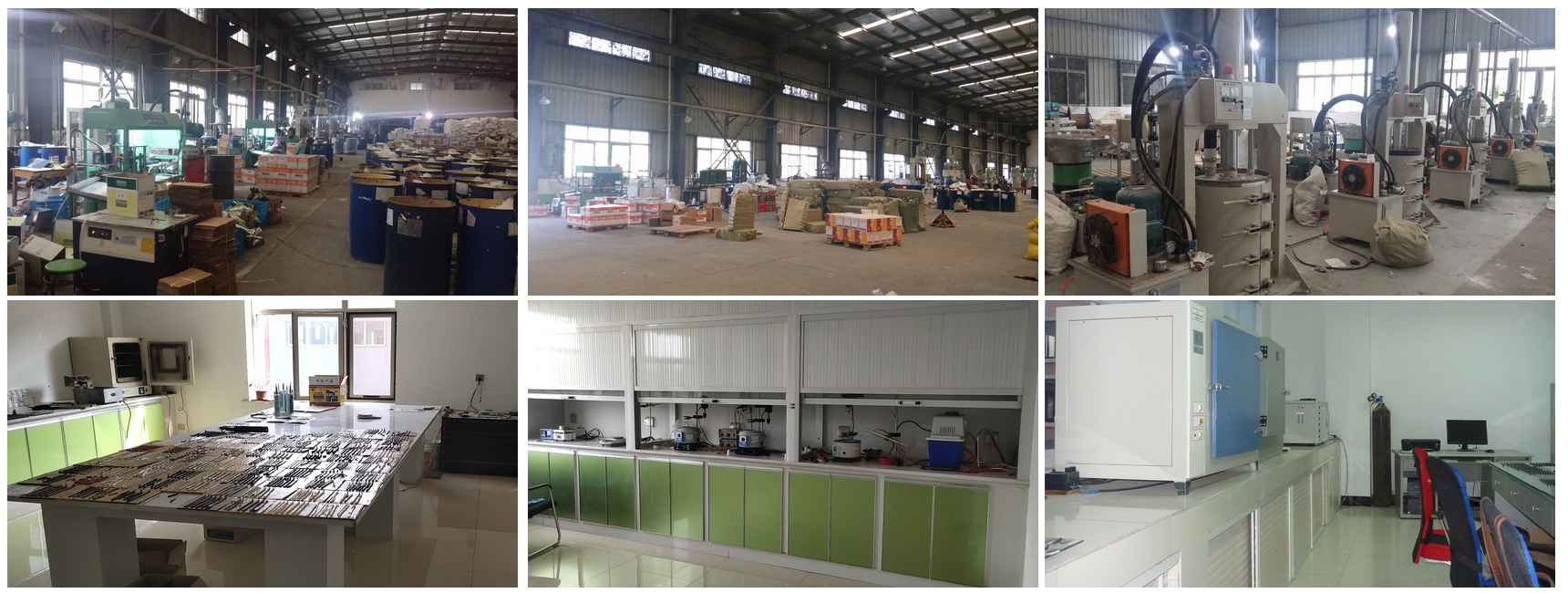
If heating or cooling is inconsistent, check for duct leakage. Leaky ducts waste energy and lower delivery but sealing often remedies the issue. Household sealant products offer diverse adhesion and elasticity features. Prior to use perform a careful inspection to locate leaks, gaps, and detached fittings.
- Investing in expert duct sealing increases system efficiency and saves money Hiring professionals for sealing helps optimize system function and lower costs Hiring professionals for sealing helps optimize system function and lower costs
- When you've found leak spots, clean them thoroughly with a damp cloth prior to sealing.
- Brush or trowel on mastic in a thin coat that penetrates all gaps and seams.
After full cure, run fans and monitor airflow and temperature consistency to verify sealing. When leaks are still present, apply extra sealing or get contractor assistance.
Expert duct sealing services to guarantee optimal airflow
Duct sealing is a fundamental component of system care. Over years ductwork can loosen or crack, causing airflow loss and higher expenses. Professional services deliver precise inspection and dependable sealing repairs. Ongoing sealing work lowers airborne contaminants and improves interior air. Professional sealing services can improve HVAC output and reduce energy bills.
